
Prix de Rome
Visual Arts 2025
Exhibition — Nov 29 2025 until March 15 2026
Nominees Fiona Lutjenhuis, Kevin Osepa, Thierry Oussou and Buhlebezwe Siwani have created new works especially for the exhibition Prix de Rome Visual Arts 2025. Kevin Osepa has been chosen as the winner, on the basis of these new works and the artist's oeuvre.
Shortlist
The four nominees have received a production budget to create new work over the past months. The ultimate winner, Kevin Osepa, has been selected by the jury based on this new work, which is on display at the Stedelijk Museum Amsterdam from Saturday 29 November 2025 until March 15 2026. When making their decision, the jury focused primarily on how the artist offers new insights into visual art within the Kingdom of the Netherlands, thereby contributing meaningfully to its development. The winning artist will receive a cash award of € 60,000 to support their artistic practice.
To arrive at this selection of artists, the jury visited exhibitions over the past year and scouted potential candidates. The jury believes that Lutjenhuis, Osepa, Oussou and Siwani all represent, each in their own way, promise for the future. While one stood out with a single, powerful presentation that had immediate impact on the art field, another convinced with a diversity of expressions across multiple presentations. And while one took a clear stand on a pressing social issue, another offered a deeply personal reflection on what it means to be human. The jury notes that all four nominees are united by their unique visual language and convincing vision within what is still, for most, a developing oeuvre.
-
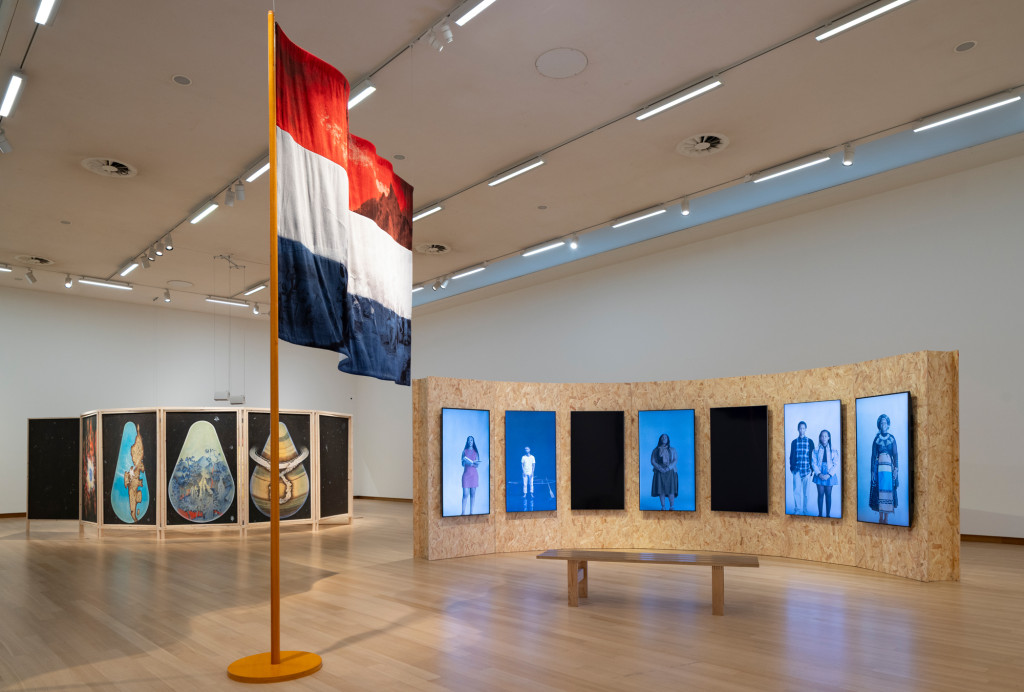
Buhlebezwe Siwani for Prix de Rome 2025 -
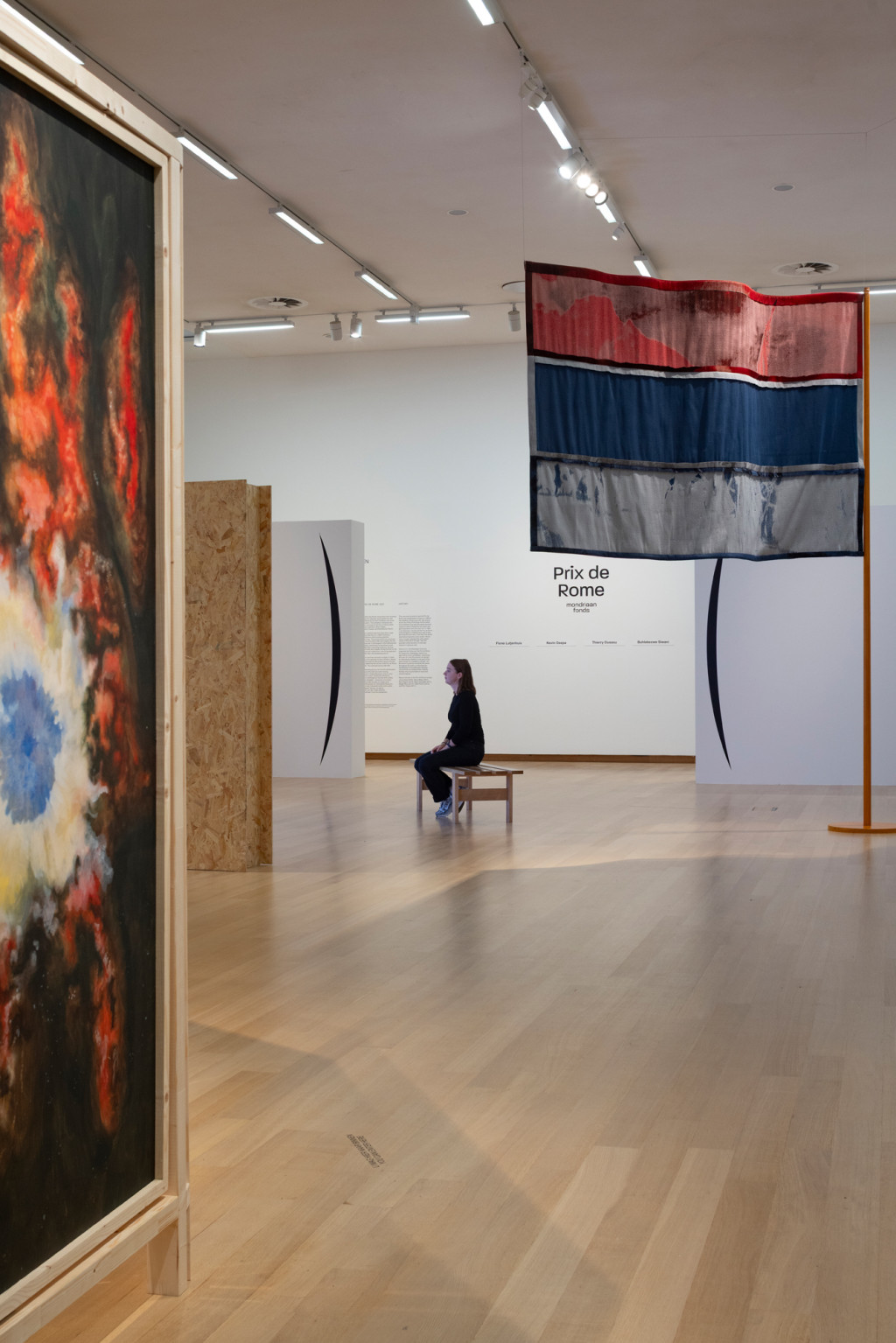
Buhlebezwe Siwani for Prix de Rome 2025 -
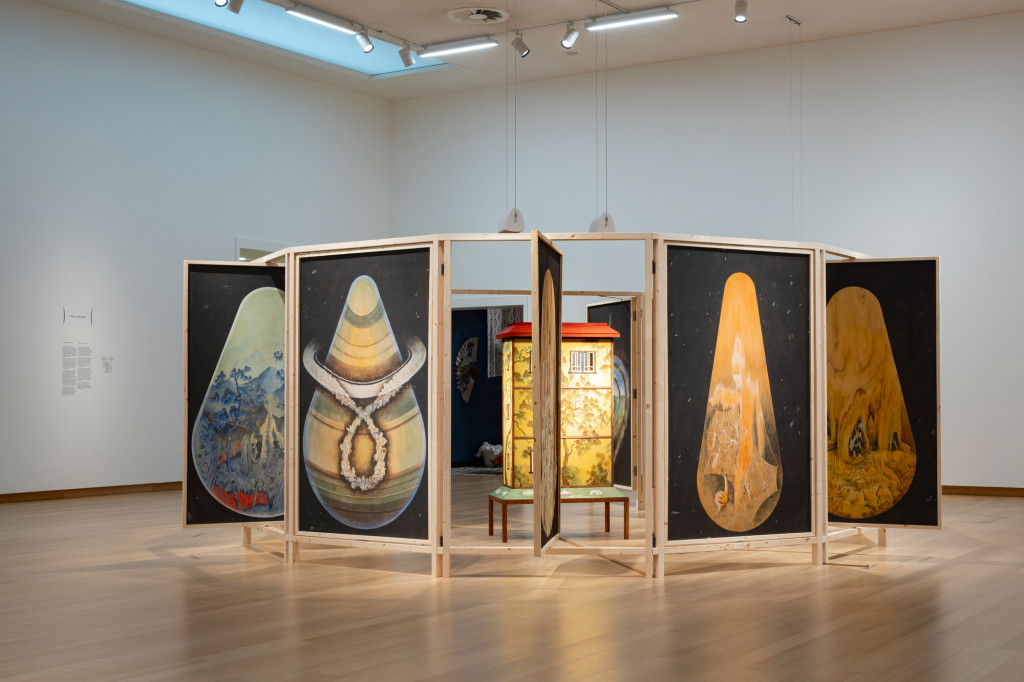
Fiona Lutjenhuis for Prix de Rome 2025 -
Fiona Lutjenhuis for Prix de Rome 2025 -
Kevin Osepa for Prix de Rome 2025 -
Kevin Osepa for Prix de Rome 2025 -
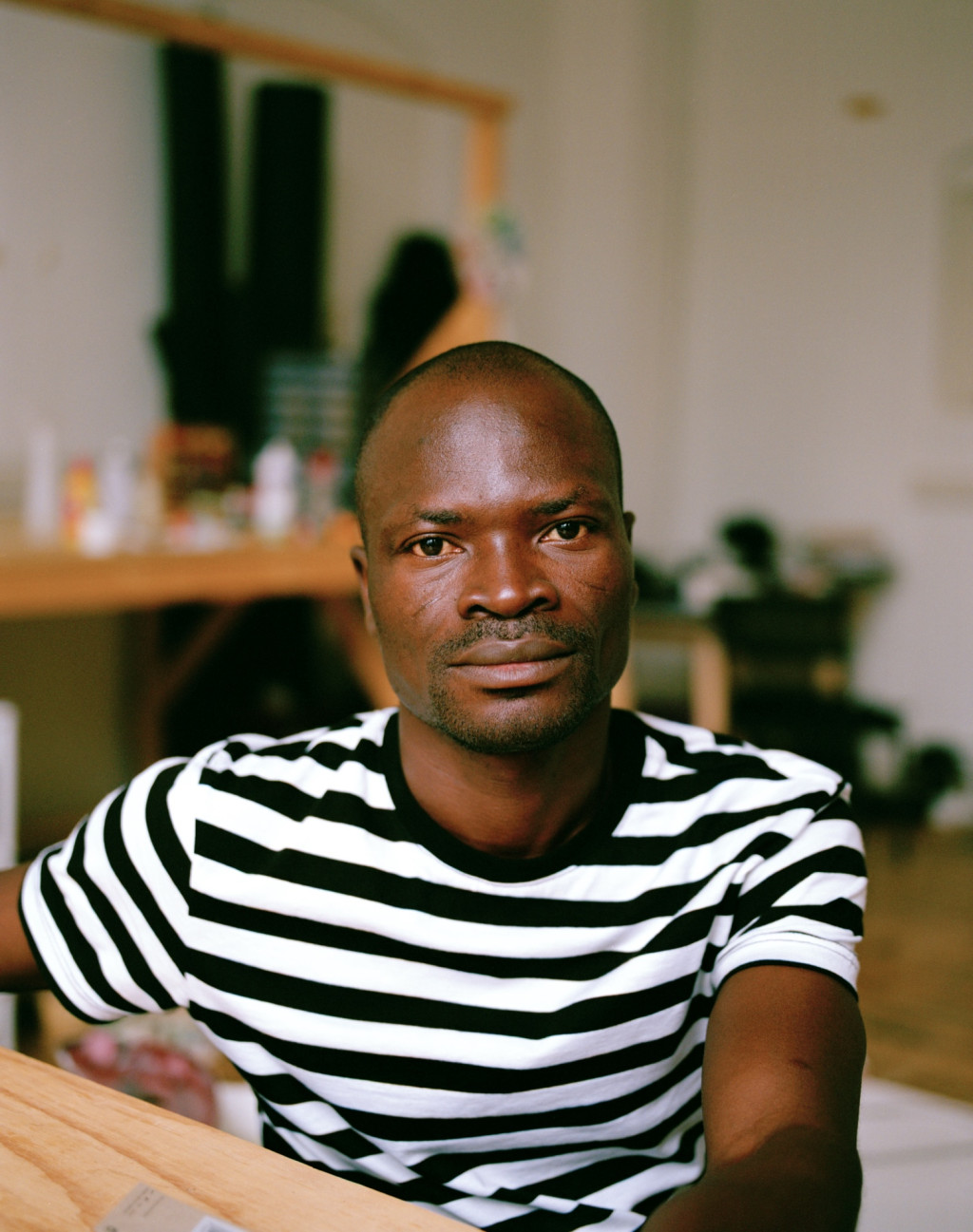
Thierry Oussou for Prix de Rome 2025 -
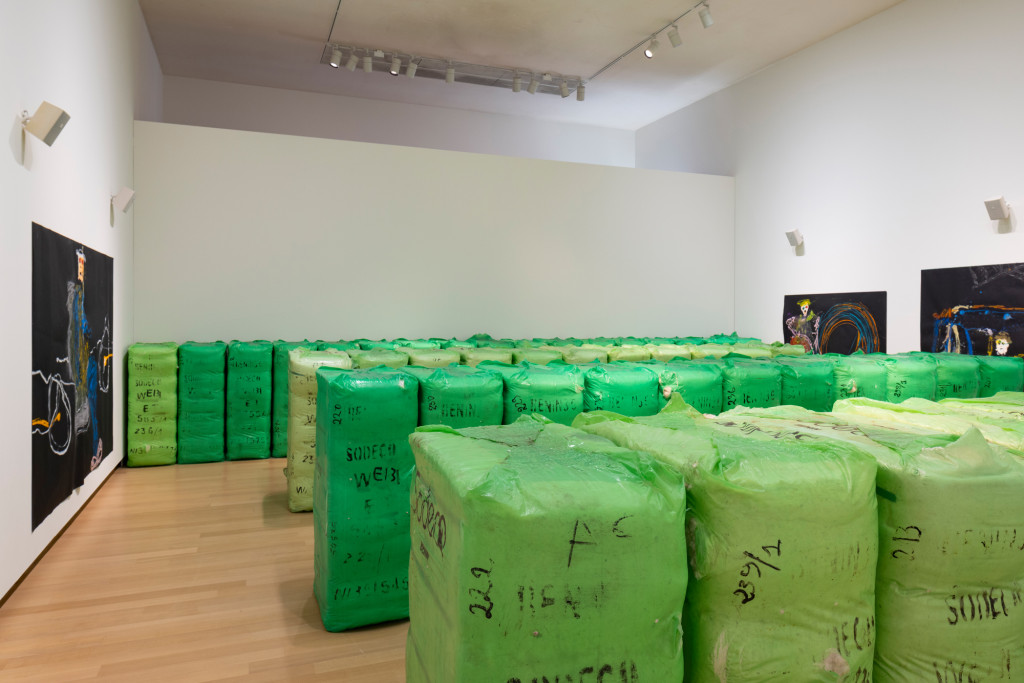
Thierry Oussou for Prix de Rome 2025
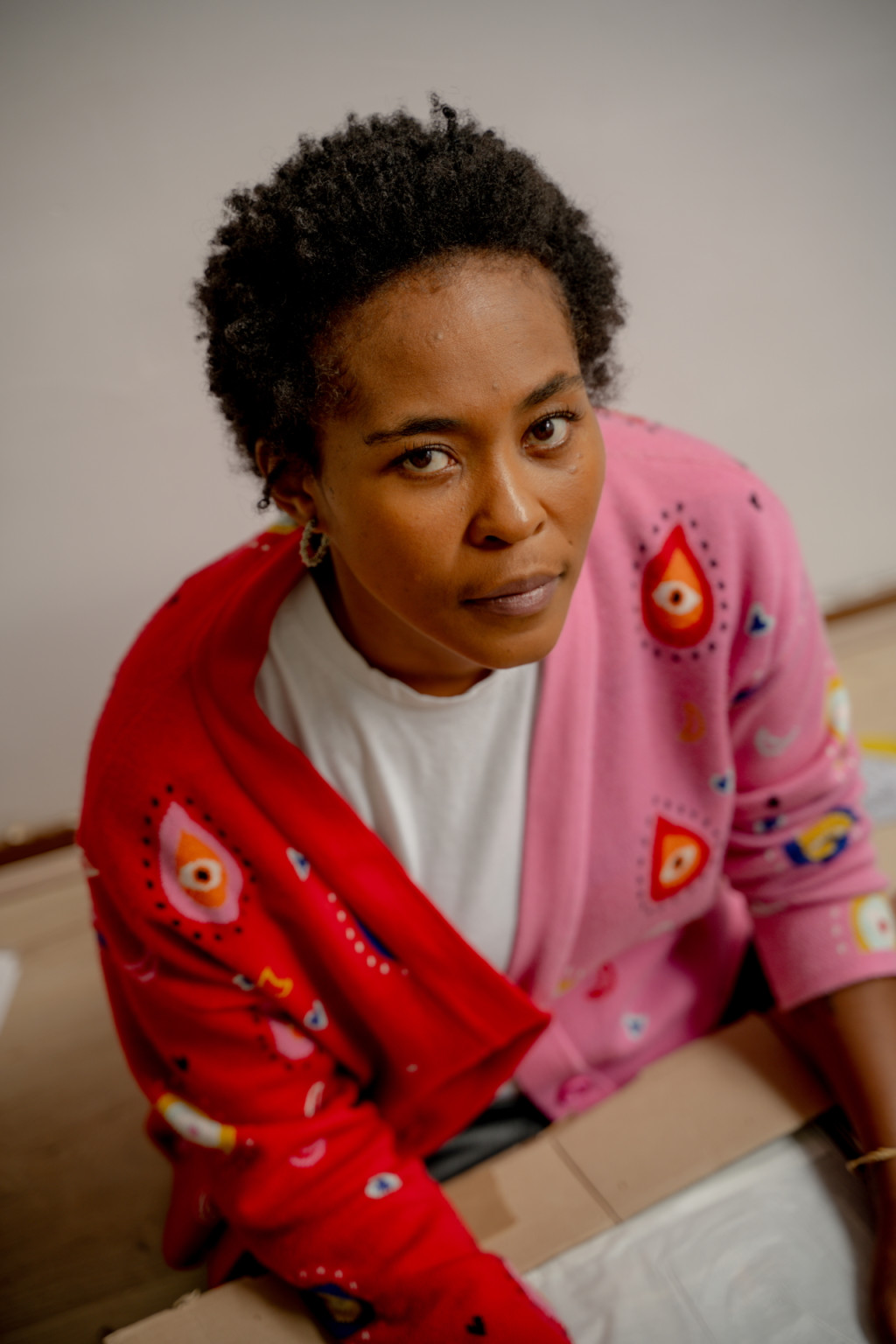
Buhlebezwe Siwani
For the Prix de Rome, Buhlebezwe Siwani addresses the limited historical awareness in the Netherlands of the deeply rooted colonial ties between the country and South Africa. As a Black South African woman, she confronts this Dutch history every day. Through her work, Siwani challenges the audience to face this colonial past.
As a Sangoma, a traditional spiritual healer, Buhlebezwe Siwani explores the relationship between ancestral rituals and modern life in South Africa. Her own body often plays a central role in her performances, photography, sculptures and installations. The artist draws on her personal experience to illuminate socio-political themes, such as the Black female body, colonial history, Black communities and the tensions and paradoxes of modern-day society.
The jury commends Buhlebezwe Siwani for successfully combining politics, biography, spirituality and imagination in her oeuvre. Her work, focused on the patriarchal norm and its influence on the Black female body, encompasses various forms of expression while maintaining a consistent level of quality. The jury praises the artist’s visual translation of her experiences within the South African context, and how this engages an international audience.
Kevin Osepa
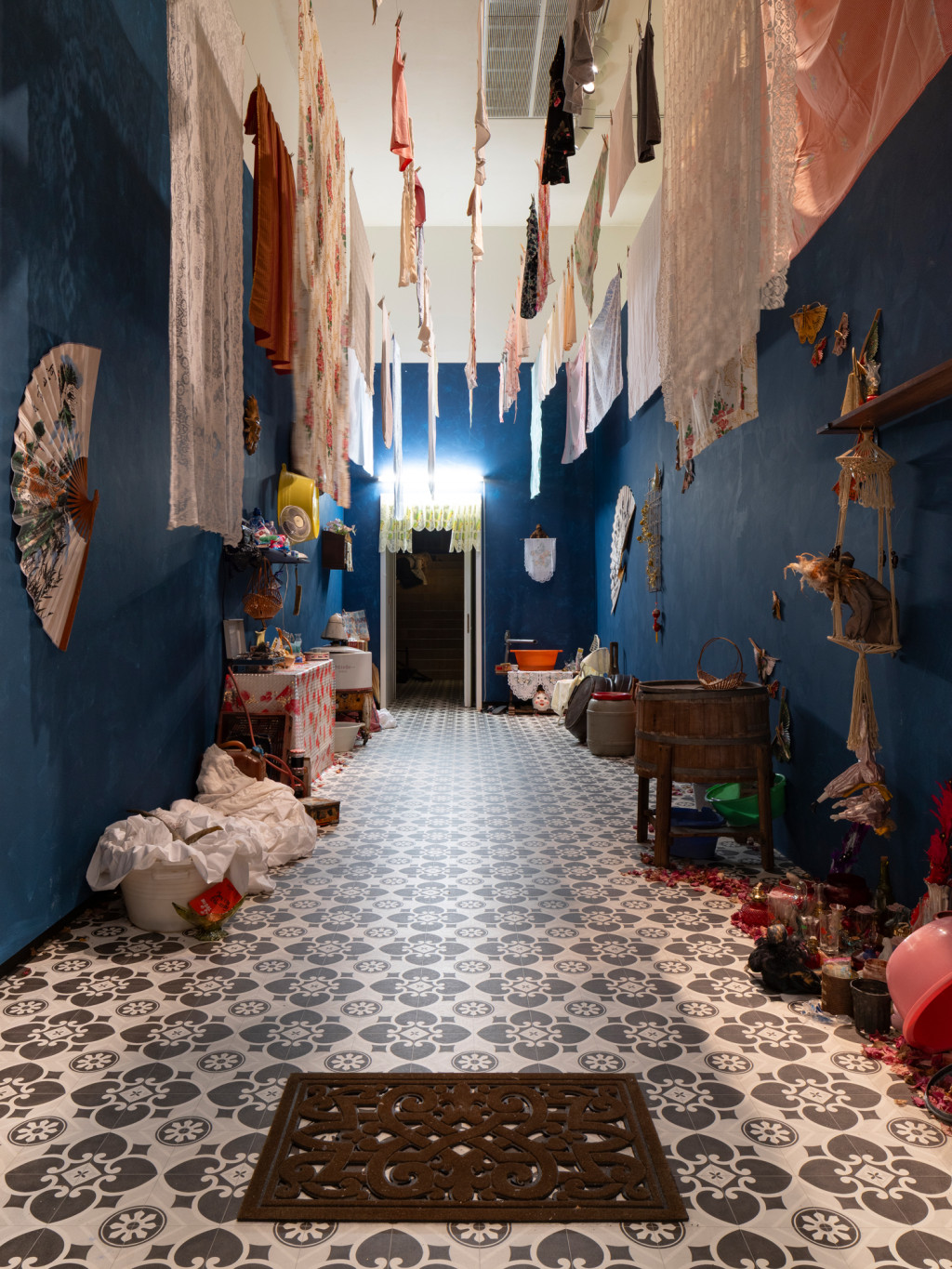
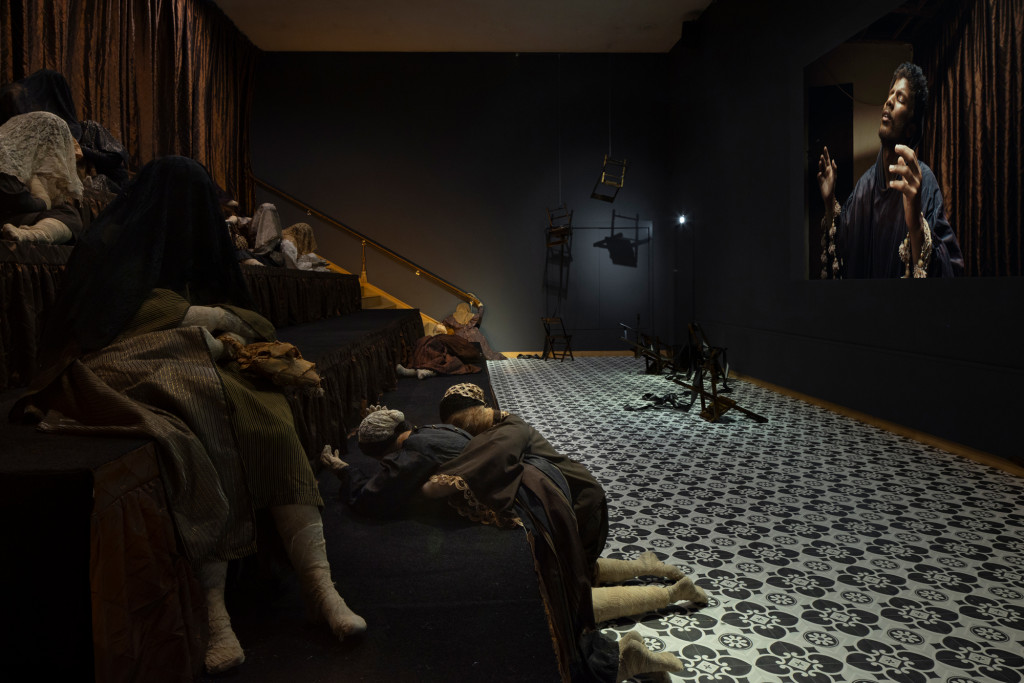
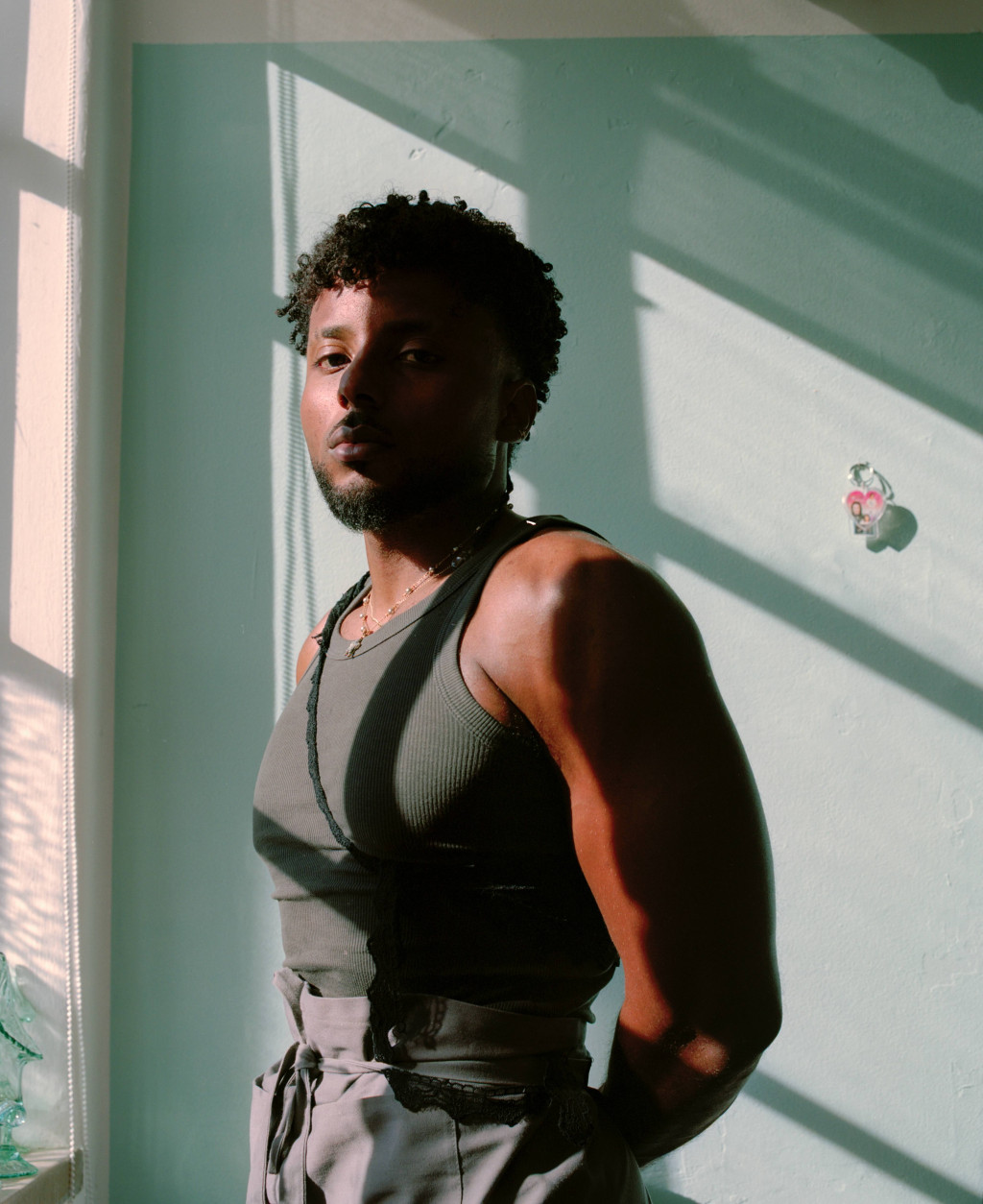
Kevin Osepa’s new work centres on the fading tradition of Ocho Dia, the eight-day mourning period following a funeral on his native island of Curaçao. In the installation, he reflects on both personal grief and the collective sorrow over the gradual disappearance of this custom. The work forms part of a living archive devoted to the fragile survival of Afro-Caribbean rituals.
Kevin Osepa is a visual artist and filmmaker. His work focuses on Afro-Caribbean spirituality, identity and colonial memory, often addressed from a personal and queer perspective. Osepa uses photography, video and installations to create worlds in which suppressed knowledge and rituals are given new life.
The jury commends Kevin Osepa for not only visualising the consequences of colonialism through his unique lens, but also transcending them. His mystical-realistic stories offer an alternative to dominant Western narratives and aim for holistic unity. In doing so, the artist moves compellingly between different cultures and histories. The jury believes that his layered approach creates a profound and innovative oeuvre.
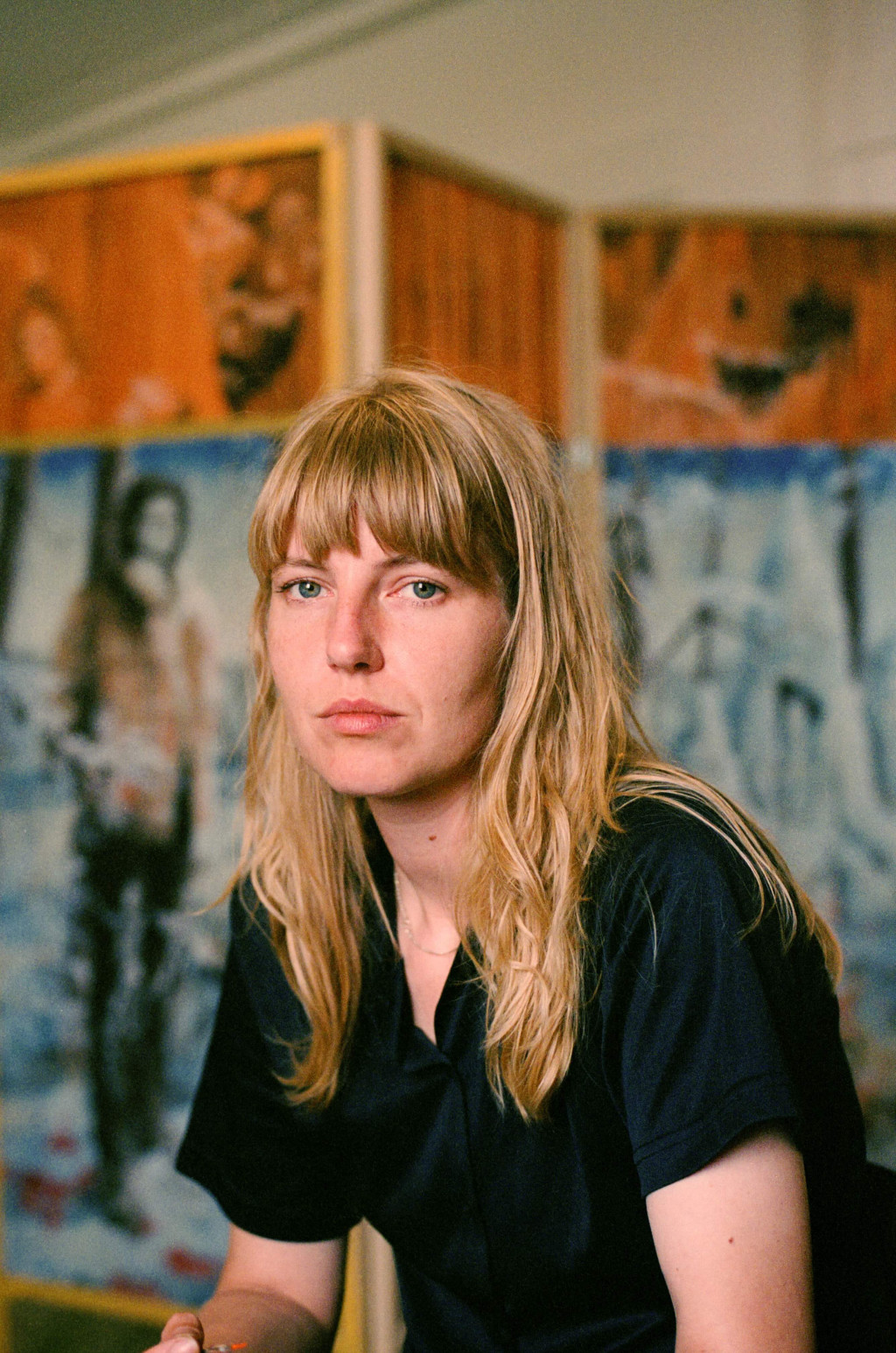
Fiona Lutjenhuis
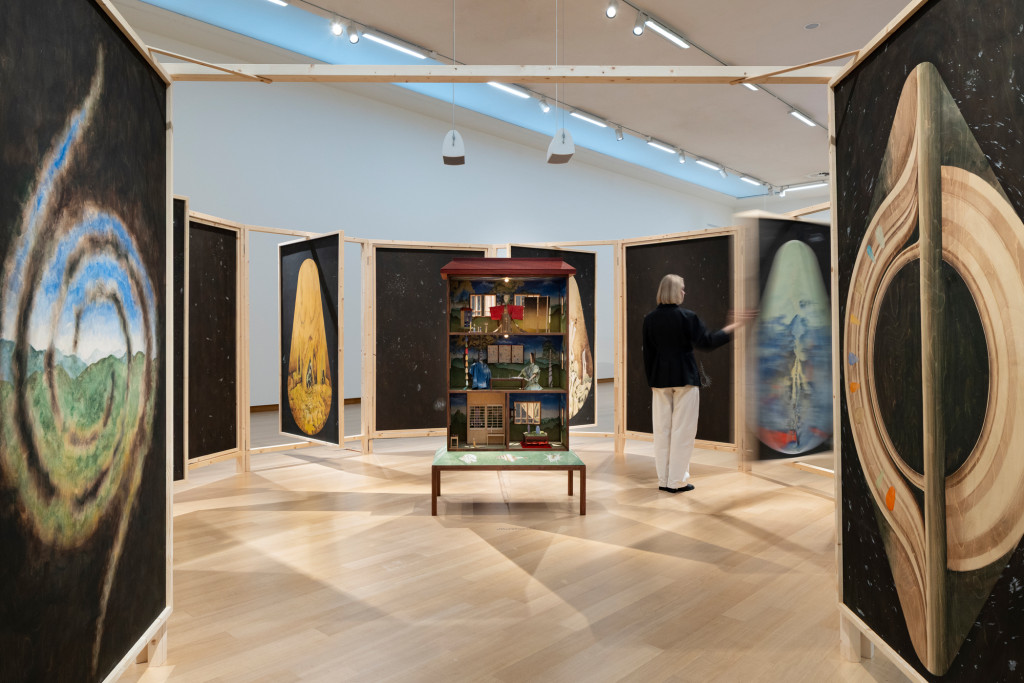
For the Prix de Rome, Fiona Lutjenhuis has created a cosmic installation centred on the doll’s house from her childhood. Through a series of paintings, she tells the story of a snail called (St)Eve. Although the snail already carries a house on its back, we follow its search for a true home. Lutjenhuis invites the audience on a magical journey into the doll’s house.
Fiona Lutjenhuis has a multidisciplinary practice encompassing installations, paintings, sculptures, and artists’ books. Lutjenhuis grew up in a cult, and learned to see the world differently to her peers. By taking this history as her subject, the artist explores how beliefs and fantasies – from secret societies to extraterrestrial life – can shape our perception of reality.
The jury notes that Fiona Lutjenhuis, through her imaginative and singular oeuvre, achieves a compelling and multifaceted presentation. The artist layers autobiographical events in a kaleidoscopic composition. Her paintings demonstrate impressive artisanry, while the work exudes a sense of freedom and ease.
Thierry Oussou
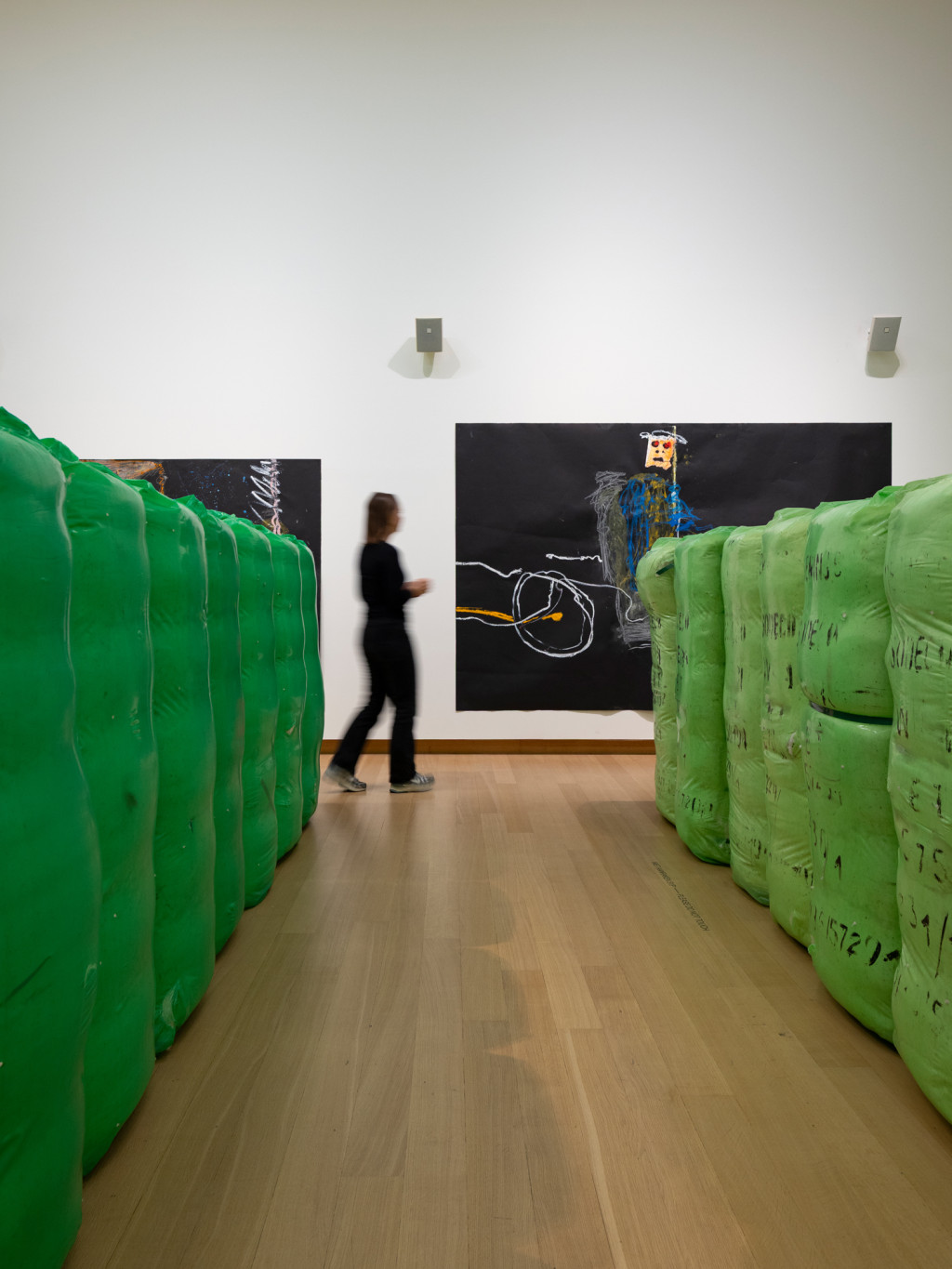
In his new work, Thierry Oussou reflects on the transatlantic triangle of trade that arose in the sixteenth century between Europe, Africa and the Americas. Enslaved people were taken from Benin to the Americas to produce raw materials such as cotton, with the resulting products and profits ultimately flowing back to Europe. By reshaping this colonial trade route and closing the loop between Africa and Europe, Oussou connects past and present.
Conceptual artist Thierry Oussou uses various media to visualise his narratives. In his recent work, he focuses on professions that are often marginalised, such as drivers, builders and cotton workers. Oussou explores the conditions under which they work, aiming to highlight their significance to society.
The jury commends Thierry Oussou for the depth of his work, the richness of his oeuvre, and the playful manner in which he intertwines form and context. Oussou’s material research is thorough. He transforms materials into powerful carriers of cultural significance and memory, casting new light on the history of trade and exploitation. The jury saw this, among other things, in his powerful works on cotton at the TextielMuseum in Tilburg, and in his exhibition at Buitenplaats Kasteel Wijlre, where he explored the role of labor and production and drew a compelling connection between Limburg and Benin.
The award has been organized and funded by the Mondriaan Fund since 2012.

Credits
1. Front: Buhlebezwe Siwani, iNkanuko, 1652, 2025. Mixed media installation with flag and videos (color, sound, 52 min., 03 sec.) courtesy of the artist. Back: Fiona Lutjenhuis, The Shell of Life, 2025. Mixed media installation with painted panels, furnished dollhouse, and sound, courtesy of the artists and Galerie Fleur & Wouter. Photo: Peter Tijhuis
2. Buhlebezwe Siwani, iNkanuko, 1652, 2025. Mixed media installation with flag and videos (color, sound, 52 min., 03 sec.) courtesy of the artist. Photo: Peter Tijhuis
3, 4. Fiona Lutjenhuis, The Shell of Life, 2025. Mixed media installation with painted panels, furnished dollhouse, and sound, courtesy of the artists and Galerie Fleur & Wouter. Photo: Peter Tijhuis
5, 6. Kevin Osepa, Lusgarda, 2025. Mixed media installation with video (color, sound, 19 min., 08 sec.) courtesy of the artist. Photo: Peter Tijhuis
7. Front: Thierry Oussou, White Gold: Crossing the Atlantic, 2025. Sculpture of WEBI cotton bales, courtesy of the artist. Back: Thierry Oussou, Think about me in your dream, 2025. Mixed media on paper, courtesy of the artist. Photo: Peter Tijhuis
8. Thierry Oussou, White Gold: Crossing the Atlantic, 2025. Sculpture of WEBI cotton bales courtesy of the artist. Photo: Peter Tijhuis