
Erwin Olaf
Freedom
Exhibition — October 11 2025 until April 6 2026
The first museum retrospective since his unexpected death two years ago: Erwin Olaf – Freedom. The exhibition pays tribute to the versatile and multifaceted artist that he was and illuminates his entire creative process. Besides iconic artworks and series of Erwin Olaf, the presentation also features lesser-known work, including videos and sculptures, his commercial photography, and personal archive material. The exhibition culminates with his last work, an unfinished video.
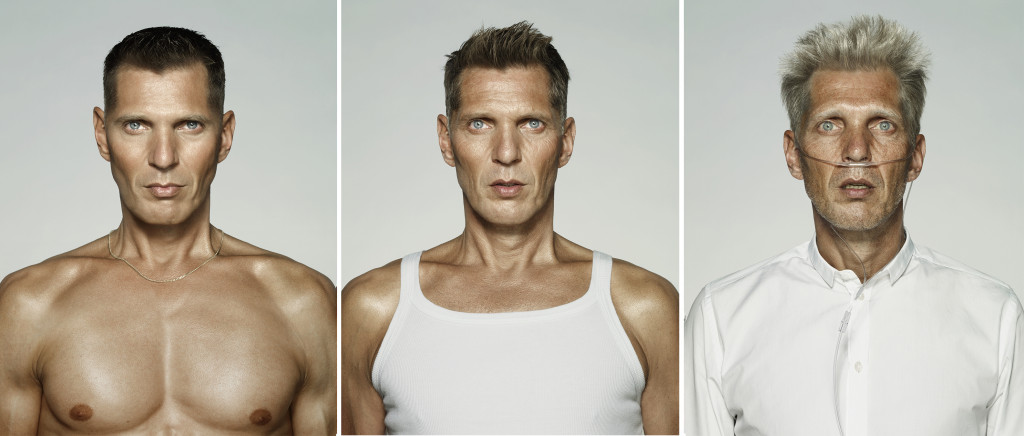
FREE THINKER
Erwin Olaf Springveld (1959-2023) is internationally acclaimed as one of the most prominent Dutch photographic artists, celebrated for his characteristic staging, unique lighting, perfectionism, and controversial subjects. He was a freethinker, and the pursuit of personal freedom drove everything he did—he was a fervent champion of identity, sexuality, and gender, the human body in all its forms, nightlife, and equal rights for all. Throughout this thematically structured, yet loosely chronological, exhibition, Olaf’s activism is a recurring motif.
Rich oeuvre
First exhibition after his passing
Free thinker
THE EXHIBITION
The exhibition charts a course through Erwin Olaf’s rich body of work, starting with his journalistic, candid black-and-white reportages from the early 1980s. Focusing on subjects such as gay rights demonstrations, these highlight his commitment to social issues. Olaf’s love of light and composition is evident; his pursuit of greater control over the composition prompted him to take the next step—staged studio photography. The exhibition features iconic and lesser-known examples from series such as Ladies Hats (1985-2022), Chessmen (1987-88), Royal Blood (2000), Grief (2007), Fashion Victims (2000), Berlin (2012), and Skin Deep (2015), as well as commissioned work such as SM in Holland (1989) and photography for the Dutch National Ballet.
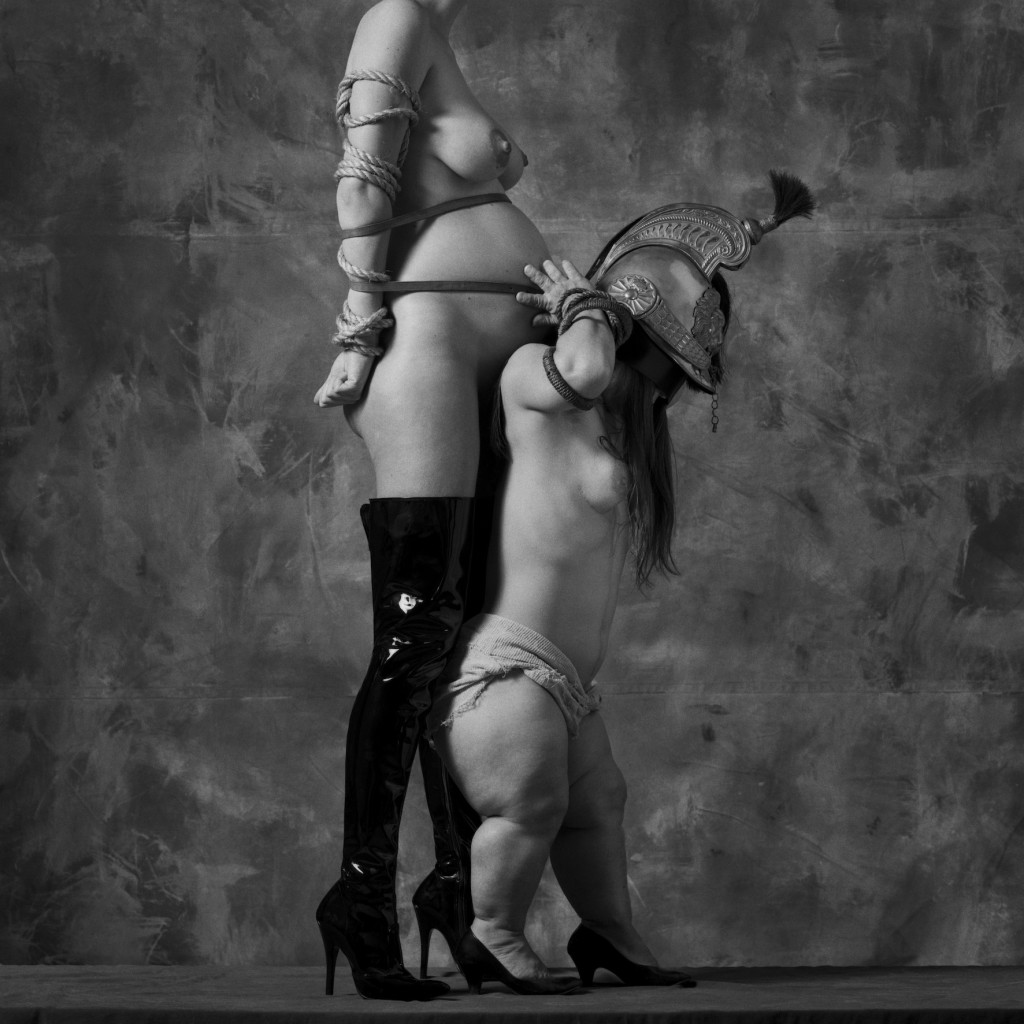
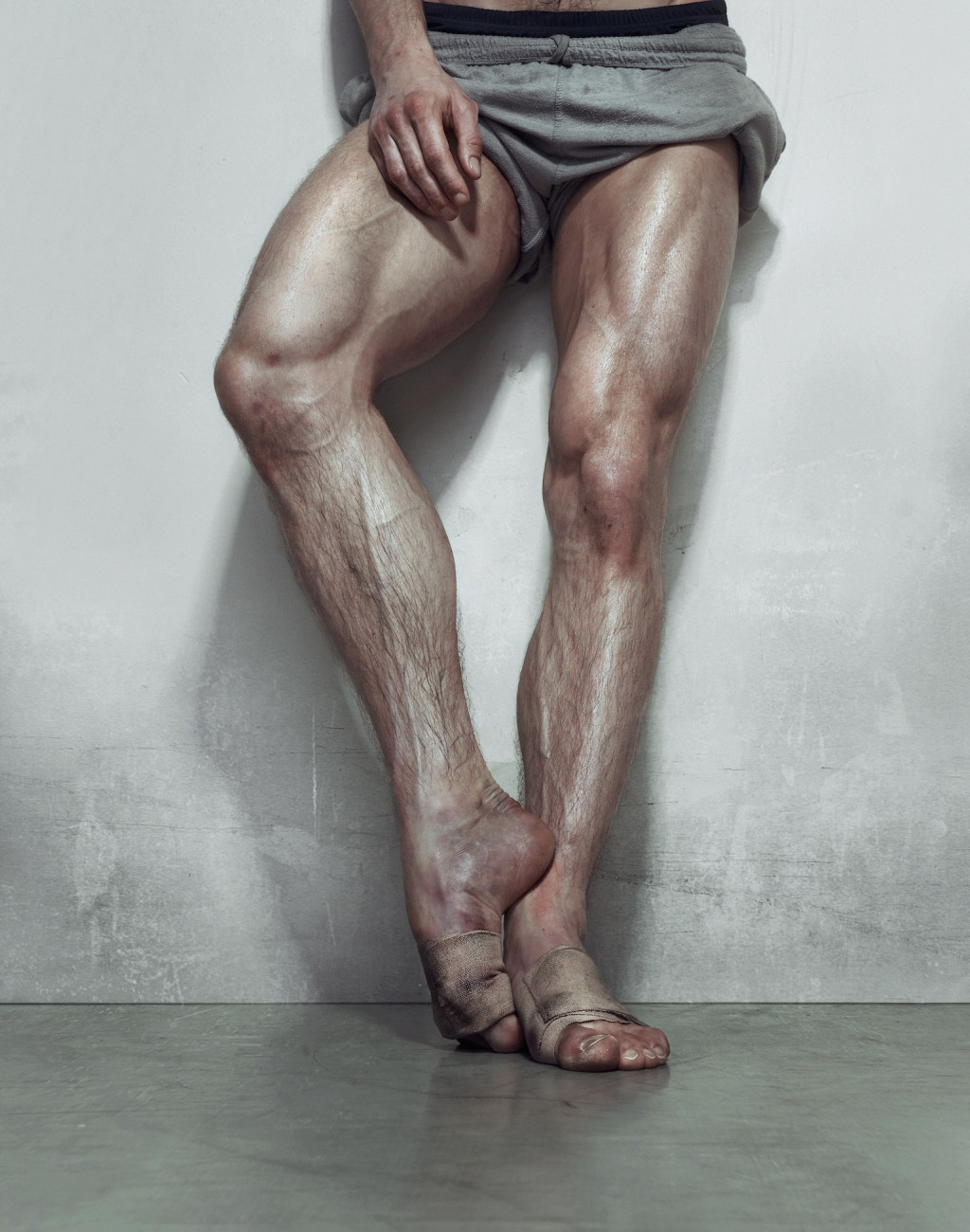
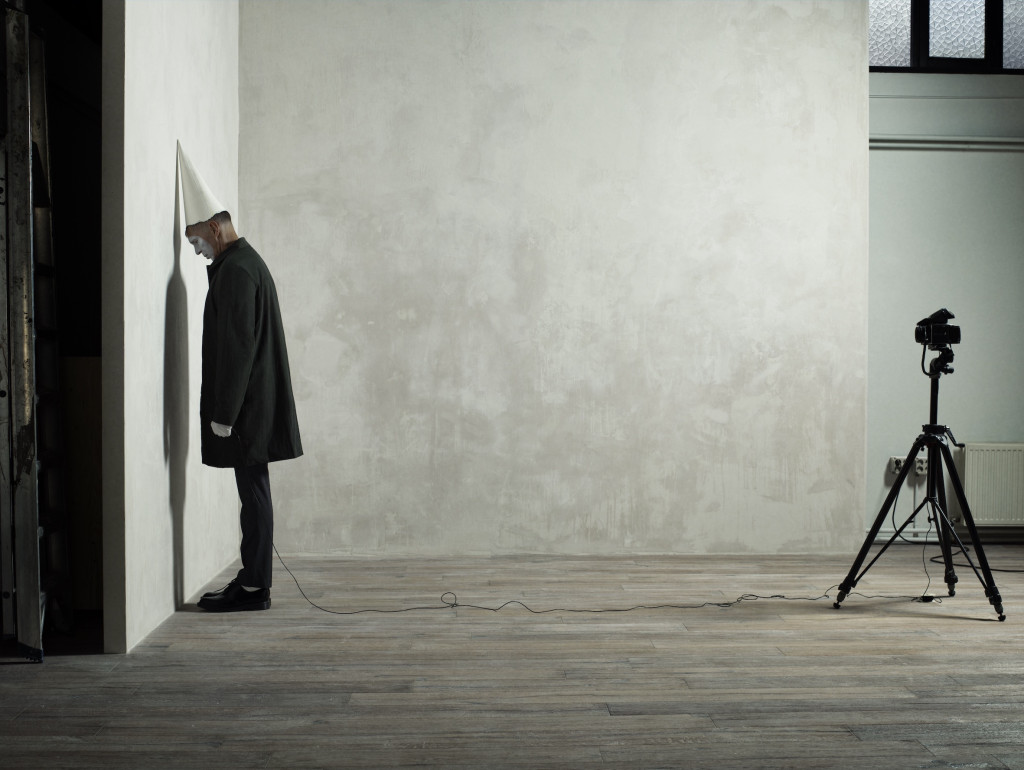
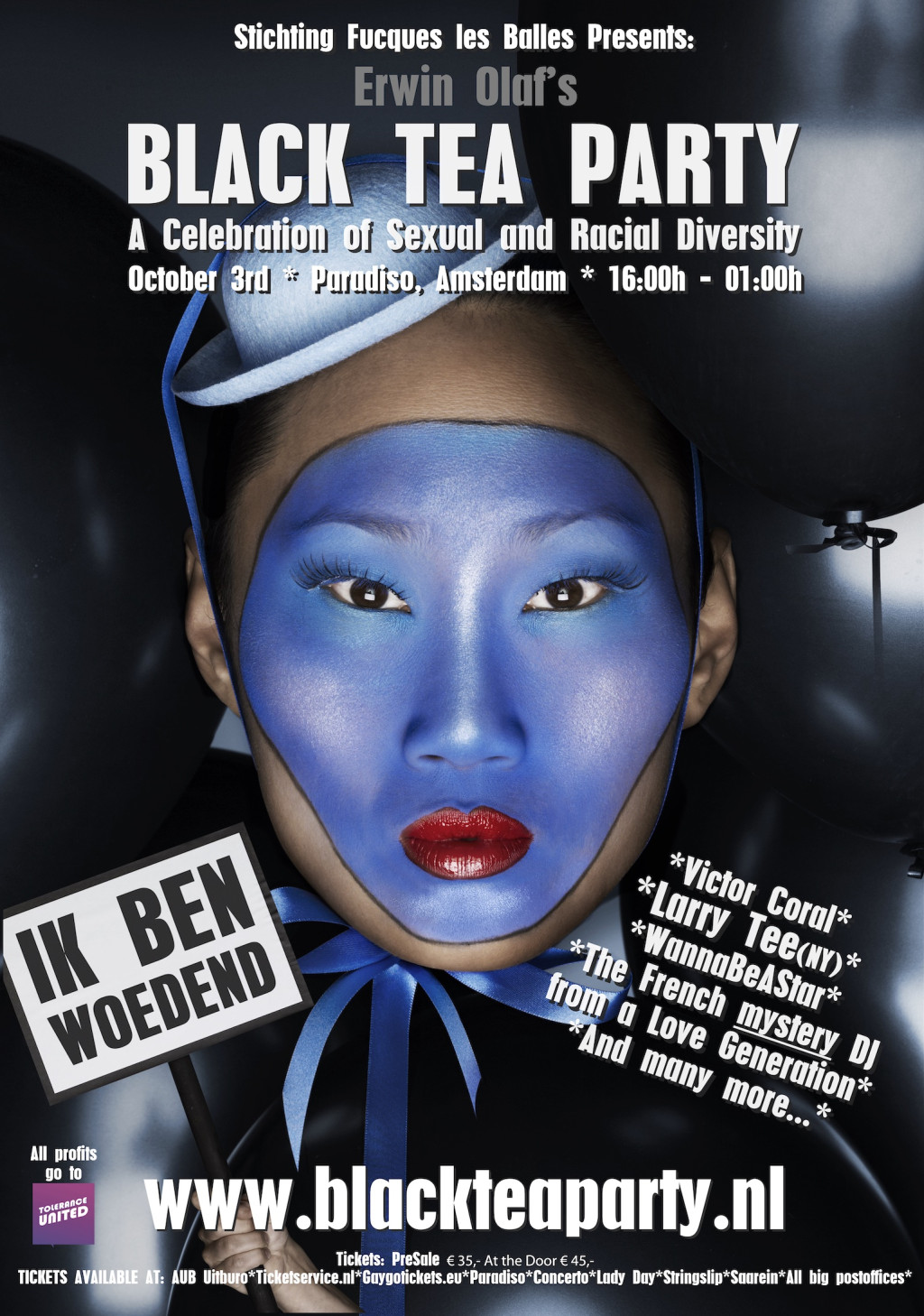
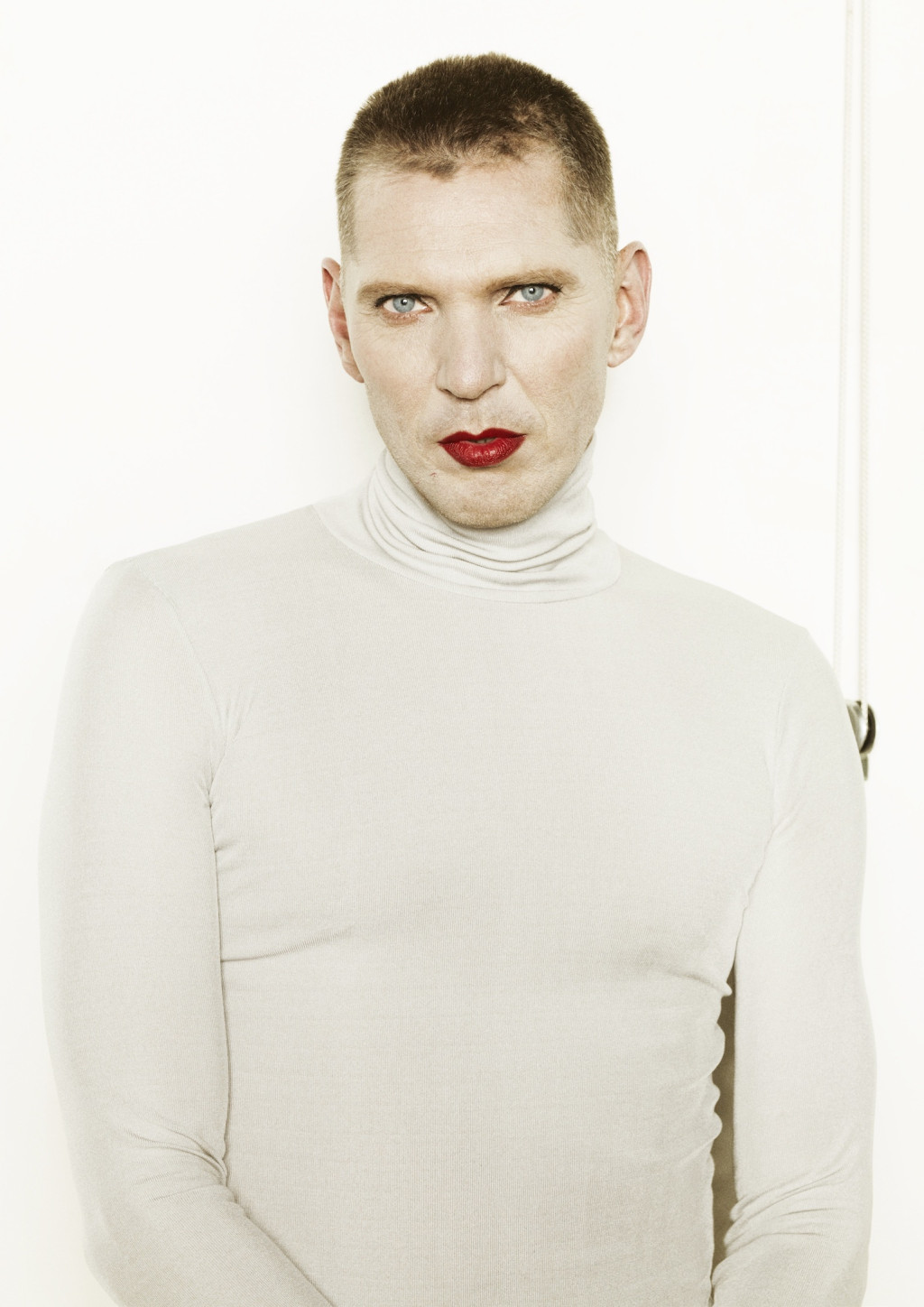
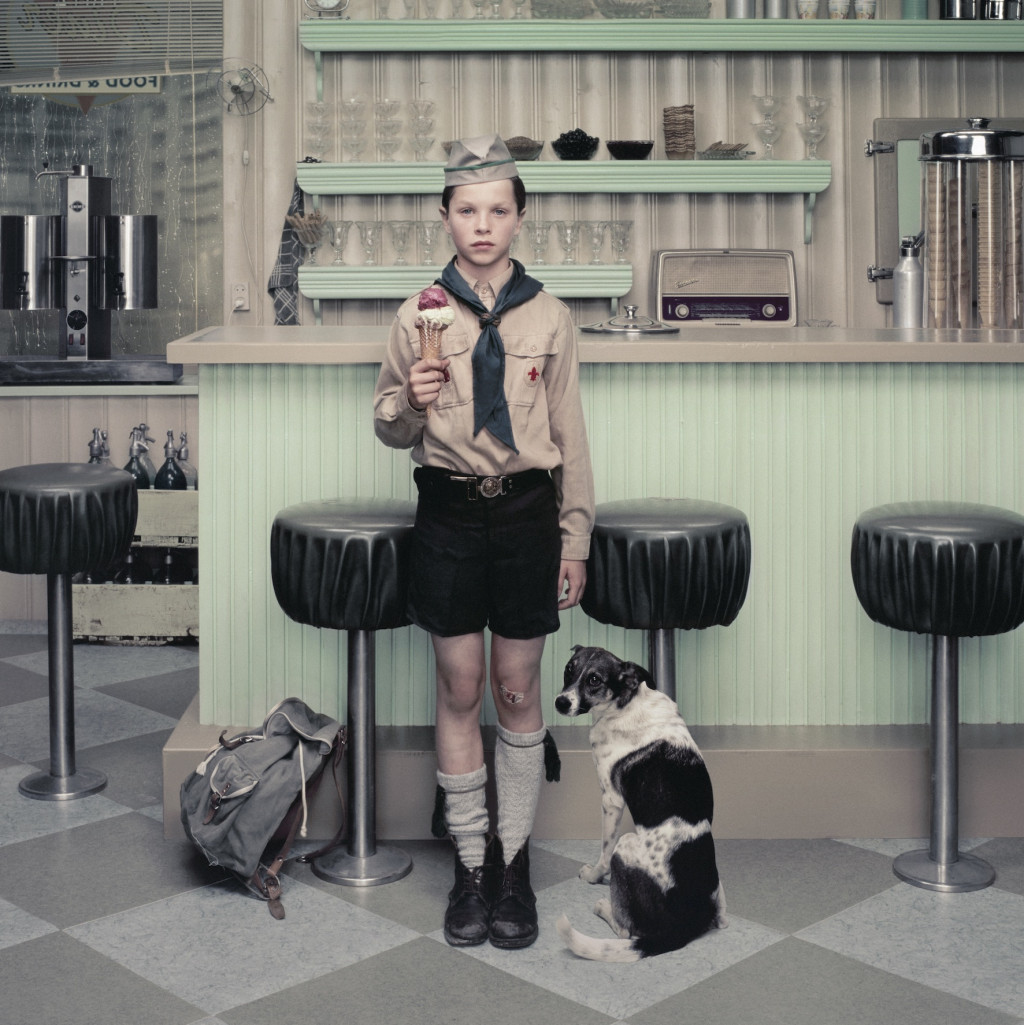

His series all center on advocating diversity and the freedom to be yourself. The theme of ‘party’, for instance, expresses resistance to intolerance. He also explores the darker side of partying—in Paradise (2001), the men are often menacing, and women consistently come off worse. During the 1980s, Olaf also created several iconic campaigns for the Aidsfonds and the COC, the world’s first LGBTQ+ organization.
The final part of the exhibition brings together Olaf’s experience, mastery, and vision. Despite their compositional and technical perfection, these recent series continue to engage with topical social themes, such as our relationship with nature in Im Wald (2020) and the isolation and futility of man in April Fool (made during the pandemic in 2020). This is the first time either series has been shown in a museum. In Palm Springs (2018) he explored the waning of the ‘American Dream’ and in Shanghai (2017) shone a light on the role of women in different cultures. The series Muses (2023), which looks at the transience of human life and the acceptance of our own mortality, will be on public display for the first time.
THE FINAL, UNFINISHED WORK
Vases with flowers appear with remarkable frequency in Erwin Olaf’s work. He turned to this subject during photo shoots, to clear his head and to help him refocus. In art history, a vase of flowers in various stages of life, from bloom to decay, is a familiar symbol for the transience of life. In the last year of his life, Erwin Olaf created a series for his mother, based on this theme. He began working on a sequel for himself shortly after his lung transplant; a process that was cut short by his unexpected death. The exhibition concludes with this unfinished video work, posthumously titled For Life.
Dig deeper
FREEDOM NOW
Erwin Olaf believed in art as an act. As a way to explore and defend freedom. In his work, he took a stand, asked questions, and made social tensions visible—then, and still recognizable today. Freedom requires engagement. Join the discussion on March 28 during the Freedom Now debate on art, emancipation, and defending acquired freedoms.
PUBLICATION
The exhibition is accompanied by a comprehensive publication that places the artist in an art-historical and social context. With contributions from Rein Wolfs, Paco Barragán, Charlotte Cotton, Jonathan Turner, Francis Hodgson, Tahrim Ramdjan, Gemma Rolls-Bentley, Taco Dibbits in conversation with Hans van Manen, and a conversation between Lars Been, Shirley den Hartog, and Charl Landvreugd. In collaboration with Hannibal Books, approximately 384 pages, € 69.95, available in Dutch and English editions.
FREE INTRODUCTORY LECTURES
During the exhibition, there will be free short introductory lectures on Saturdays and Sundays. The Blikopeners, the Stedelijk’s young peer educators, will give free speed tours in their own unique style, during the fall, winter, and February vacations.
PROGRAM FOR STUDENTS OF SECONDARY VOCATIONAL EDUCATION (MBO)
Erwin Olaf was deeply committed to students in vocational education. To celebrate this, a special teaching program has been developed for vocational education in collaboration with the Foundation Erwin Olaf. Also, a Creative Industry Day was held on October 16 to help vocational students to deepen their artistic and entrepreneurial skills.
Freedom explores topics such as queerness, sex, violence, racism, and HIV/AIDS.
The exhibition features bright colors, explicit images, and video work with flashing visuals.
Credits
1. Erwin Olaf, I Wish, I Am, I Will Be, 2009
2. Erwin Olaf, Chessmen, V, 1988
3. Erwin Olaf, Nederlands Dans Theater, 01, 2009
4. Erwin Olaf, April Fool 2020, 11.15am, 2020
5. Erwin Olaf, Self-Portrait Andy Warhol, Self-Portrait, No. 4 - 48 Years Old, 2007
6. Erwin Olaf, Organisatie en flyer Black Tea Party Paradiso, 2010
7 Erwin Olaf, Rain, The Ice Cream Parlor, 2004
8. Erwin Olaf, April Fool, 11.05 am, 2020
All images: © Estate Erwin Olaf, courtesy Gallery Ron Mandos Amsterdam
The exhibition Erwin Olaf – Freedom is organized by the Stedelijk Museum Amsterdam and curated by Charl Landvreugd, in collaboration with Studio Erwin Olaf and Marcel Schmalgemeijer.
The exhibition is supported by Fonds 21 and the VandenEnde Foundation.


The Stedelijk Museum Amsterdam is supported by:

Partner:
